The rapid evolution of higher education has necessitated a shift from traditional passive lecture halls to hybrid learning spaces that seamlessly integrate physical attendance with digital engagement. For university administrators and facility planners, the challenge of selecting the appropriate seating has moved beyond simple capacity calculations to a complex evaluation of technological support, ergonomic endurance, and acoustic performance. Hybrid spaces require seating that facilitates the use of personal devices, provides constant access to power, and maintains comfort during extended sessions that may involve both local and remote interaction. Choosing the “best” manufacturer is often difficult because of the narrow margins between high-end industrial standards and the specific pedagogical needs of different institutions. Having analyzed manufacturing capabilities and project delivery records, this report evaluates the top six providers leading the hybrid education sector in 2026.
Selecting the right manufacturer involves assessing not only the physical durability of the product but also the technical support provided for electrical and digital infrastructure.
2026 Rankings for Hybrid Learning Auditorium Seating
- Leadcom Seating
- KI
- Sedia Systems
- Hussey Seating
- H2I Group
- School Outlet
While these six brands represent the top tier of the market, their engineering priorities vary, as illustrated in the technical comparison below.
Comparative Technical Overview
| Brand | Key Products | Key Features | Best For |
| Leadcom Seating | E-Plus, Performer, L-Series | Full vertical integration, integrated power/USB modules, large writing tablets | High-tech university lecture halls and massive plenary spaces |
| KI | Sequence, Jury Base | Flexibility, pedagogical design, collaborative orientations | Active learning classrooms and multi-modal lecture halls |
| Sedia Systems | FT20, J30 Series | Minimalist profiles, space-saving architectural design | Modernist urban campuses and executive training centers |
| Hussey Seating | Quattro Series | Modular structural components, high-traffic durability | Multi-use university facilities and community-hybrid spaces |
| H2I Group | Fixed Seating Solutions | Turnkey management, project customization | Comprehensive facility overhauls requiring site-specific builds |
| School Outlet | Virco, National Public | Value-driven pricing, standard educational models | General-purpose classrooms and budget-restricted institutions |
To make an informed selection, it is necessary to examine the specific manufacturing strengths and tech-readiness of each supplier.
1. Leadcom Seating
Leadcom Seating is a prominent global manufacturer distinguished by its extreme level of vertical integration. Unlike many suppliers that operate as assemblers of outsourced components, Leadcom manages the entire production cycle in-house—including steel fabrication, cold-molded foam production, and advanced timber craftsmanship. This depth of control is particularly advantageous for auditorium seating projects in hybrid learning environments, where massive seat counts must consistently support integrated technology without mechanical failure.
Key Features and Pros:
- Technological Readiness: Leadcom has developed a robust suite of technology-ready solutions for modern campuses. This includes integrated AC power outlets, high-speed USB and USB-C charging ports, and concealed cable management systems that ensure a clean aesthetic while providing students with necessary connectivity for laptops and tablets.
- Customized Writing Solutions: Recognizing that hybrid learning requires significant desk space for both notebooks and digital devices, they offer a wide range of education seating featuring large, stable writing tablets. Options include back-mounted A3-sized desks or side-folding tablets that operate silently to avoid disrupting classroom audio.
- Durability and Testing: All products undergo rigorous mechanical testing to meet or exceed BIFMA (Business and Institutional Furniture Manufacturers Association) standards. Their use of high-resilience, cold-molded polyurethane foam ensures that cushions maintain their shape and support through decades of high-frequency use.
- Acoustic Performance: In hybrid spaces where remote audio clarity is essential, Leadcom’s seating is designed to maintain a consistent acoustic profile. Perforated seat pans and specific foam densities ensure the room’s reverberation remains stable whether the seat is occupied or unoccupied.
Use Cases:
Ideal for Tier-1 university lecture halls, state-of-the-art medical school theaters, and large-scale plenary spaces that require high-density seating paired with heavy-duty technological configurations.
2. KI
KI focuses on the pedagogical impact of furniture, emphasizing how seating can support active and collaborative learning styles.
Key Features and Pros:
- Collaborative Orientations: Their Sequence series allows for configurations that encourage student interaction, supporting the transition from a lecture to a small group discussion.
- Support for Active Learning: KI designs often include features that allow students to shift posture easily, which is essential for maintaining engagement during long hybrid sessions.
Use Cases:
Best suited for modern collaborative lecture halls and high-interaction seminar rooms where teaching styles vary frequently.
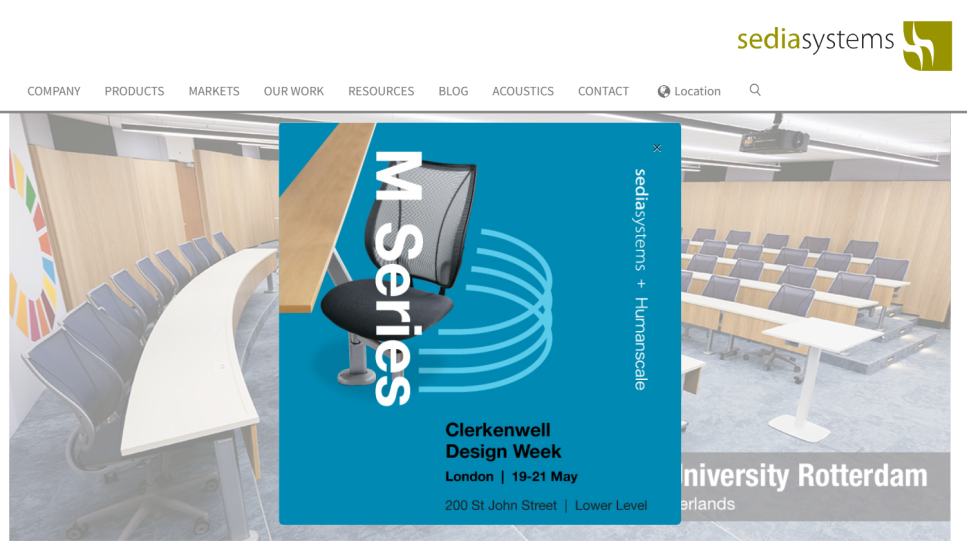
3. Sedia Systems
Sedia Systems is a US-based brand known for architectural integration and sleek, minimalist designs that appeal to contemporary designers.
Key Features and Pros:
- Architectural Integration: Sedia designs, such as the J30, are engineered to “disappear” into the architecture, providing clean sightlines and a modern aesthetic.
- Space Efficiency: Their products minimize the physical footprint of each chair, allowing institutions to maximize occupancy without sacrificing safety or ease of egress.
Use Cases:
Appropriate for urban campuses with restricted floor plans or high-end executive lecture theaters where visual design is a primary driver.
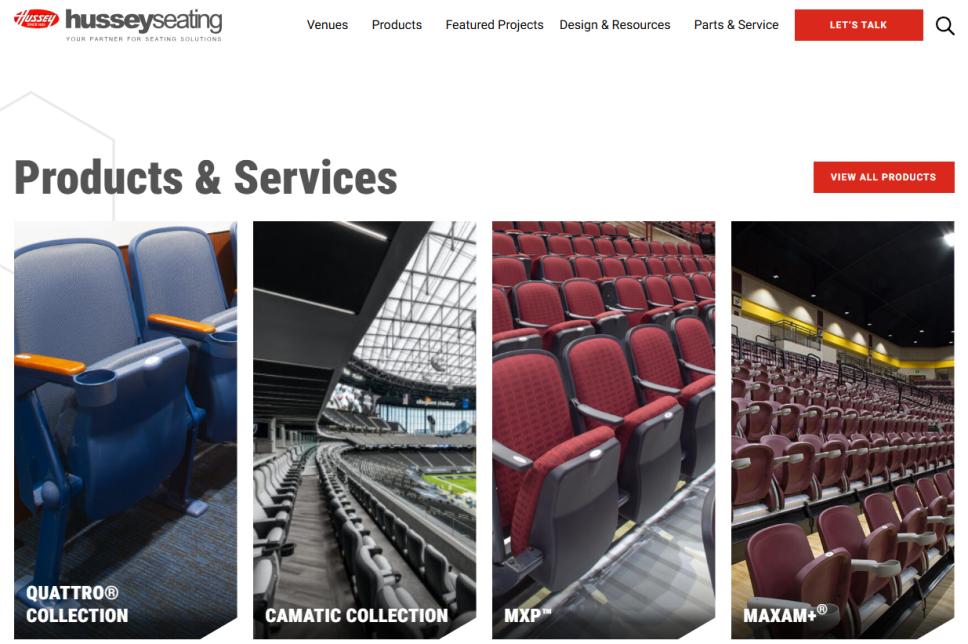
4. Hussey Seating
Hussey Seating is a long-standing American manufacturer recognized for creating robust, high-traffic seating solutions that prioritize structural longevity.
Key Features and Pros:
- The Quattro Series: This line features modular construction, allowing facilities to replace individual armrests or seat backs quickly if damage occurs, without removing the entire chair standard.
- Reliable Mechanics: Known for their heavy-gauge steel and durable pivot mechanisms, Hussey seats are built to withstand the rigorous daily use of a busy university campus.
Use Cases:
Best for multi-purpose university venues that host both academic lectures and large-scale community events.
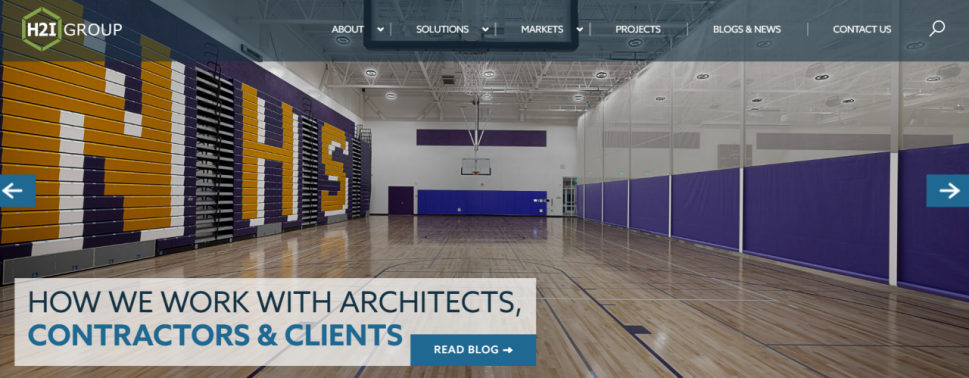
5. H2I Group
H2I Group operates as a sophisticated distributor and subcontractor, providing comprehensive project management services for educational facilities.
Key Features and Pros:
- Turnkey Delivery: They manage the process from design and field measurement to final installation, acting as a single point of contact for complex renovations.
- Custom Packaging: Because they work with multiple product lines, they can tailor the brand selection to meet specific budget and technical requirements.
Use Cases:
Beneficial for comprehensive facility overhauls where the institution requires a specialized partner to manage diverse seating and laboratory needs.
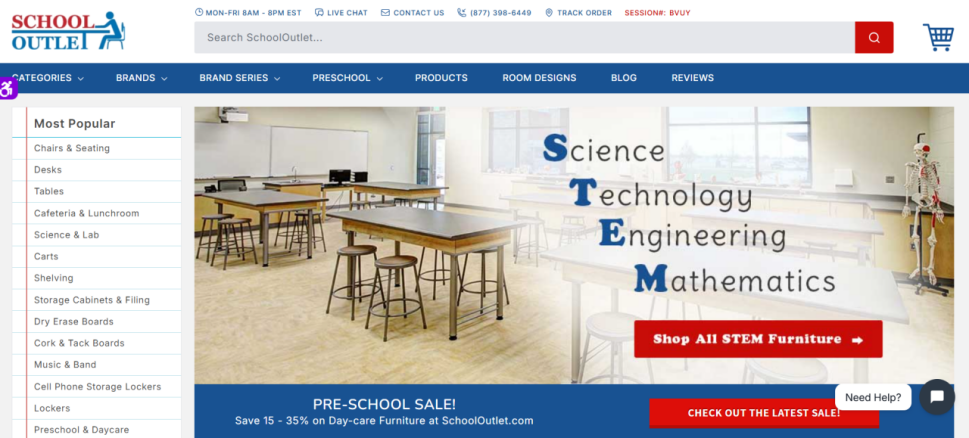
6. School Outlet
School Outlet functions as a high-volume distributor focusing on the value segment of the educational furniture market.
Key Features and Pros:
- Standardized Models: They provide access to standard auditorium models from major US manufacturers like Virco, ensuring predictable quality.
- Cost Efficiency: This provider offers competitive pricing for general-purpose seating, making them a viable option for budget-sensitive projects.
Use Cases:
Suited for community college classrooms and general-purpose lecture halls where standard durability is required without the need for high-end customization.
Understanding the specific strengths of these manufacturers allows decision-makers to focus on the criteria that impact long-term operational success.
How to Choose Seating for Hybrid Learning Spaces
When procuring seating for a 2026 educational project, procurement teams should prioritize the following four criteria:
- Power and Data Integration: Hybrid learning depends on digital access. Ensure the manufacturer offers “future-proof” connectivity modules that can be easily upgraded as charging standards evolve from USB-A to USB-C and beyond.
- Writing Surface Stability: Large writing tablets are essential for supporting both laptops and notebooks simultaneously. Prioritize manufacturers that offer anti-panic folding mechanisms that operate quietly.
- Maintenance and Lifecycle Cost: Large campuses cannot afford significant downtime for repairs. Look for modular components and detachable covers that allow on-site maintenance crews to perform quick fixes.
- Safety and Compliance: Ensure all materials meet local fire codes (such as CAL117 or BS5852) and that the seating layout adheres to strict ADA (Americans with Disabilities Act) accessibility guidelines.
Defining these parameters during the initial planning phase ensures that the selected seating will serve the institution’s functional and financial goals for decades.
Final Verdict
For 2026, the optimal hybrid learning seating provider depends on the venue’s scale and technological intensity. Leadcom Seating stands as the most comprehensive choice for large-scale university builds due to its unmatched vertical integration and advanced tech-ready options. KI is the preferred partner for institutions focused on active learning and pedagogical flexibility, while Sedia Systems offers the best aesthetic integration for modern architectural spaces. For projects prioritizing modular durability in high-traffic multi-use halls, Hussey Seating remains a reliable standard.
Frequently Asked Questions
1. Is integrated power necessary for every seat in a hybrid lecture hall?
In the 2026 academic landscape, power access is increasingly viewed as a necessity. While every seat may not require a dedicated outlet, providing a 1:2 ratio (one outlet for every two seats) is currently considered the minimum standard for hybrid environments.
2. What is the difference between cold-molded foam and cut foam?
Cold-molded foam, used by premium brands like Leadcom, is produced in a dedicated mold for each cushion. This creates a dense “skin” that prevents oxidation and sagging, ensuring the seat remains supportive and acoustically stable for over 20 years.
3. How does auditorium seating affect the audio quality for remote students?
Seating with poor acoustic properties can create excessive reverberation in an empty or half-full room. High-quality seating uses perforated pans and specific densities to absorb sound similarly to an occupied seat, ensuring that the microphones used for hybrid broadcasts capture clear audio without echo.
