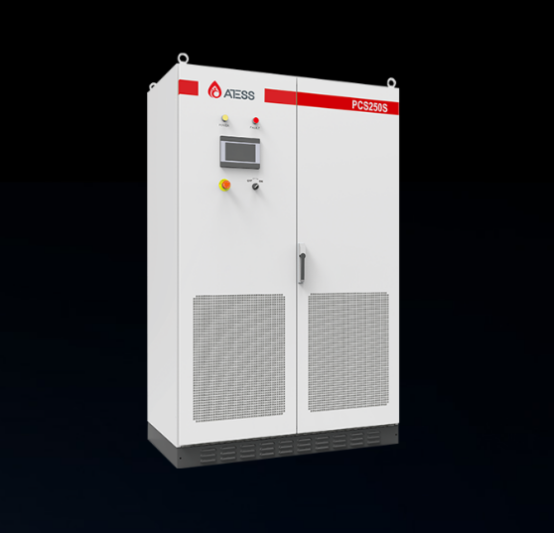
Modern energy infrastructure requires sophisticated management to maintain stability and reliability. As Atess develops advanced power solutions, they recognize that the shift toward decentralized energy generation necessitates more versatile equipment. A central component in this transition is the bidirectional inverter, which serves as the bridge between energy storage units and the electrical grid. By facilitating power flow in two directions, these systems allow for more flexible energy handling.
Efficient Energy Management and Grid Support
When systems require constant balance, the bidirectional inverter becomes essential for maintaining operational equilibrium. These units enable the charging and discharging of energy storage devices, which is critical for peak shaving and load leveling. Because they function as an interface, they allow for the seamless conversion of power, ensuring that electricity is stored when demand is low and dispatched when it is high. This dual-functionality supports grid frequency and voltage stability, providing necessary services that maintain system integrity. Furthermore, a battery inverter of this type simplifies the configuration by reducing the number of separate components needed to manage power. This consolidation not only optimizes space but also improves the overall efficiency of the installation.
Enhancing Performance in Diverse Applications
Operational requirements in renewable energy projects often involve managing intermittent power sources like wind and solar. A high-quality battery inverter helps compensate for this variability by providing a steady energy supply. They allow for the integration of storage devices into the broader grid, which assists in balancing the energy flows across various load profiles. When Atess designs these systems, they prioritize the ability of the hardware to operate over a wide range of conditions. This robustness is what makes a bidirectional inverter a reliable choice for long-term energy storage projects. The battery inverter effectively coordinates the storage and release of power, ensuring that renewable energy is utilized efficiently throughout the day. By stabilizing the energy supply, these systems assist in achieving improved grid resilience and consistent power quality, providing a practical solution for modern energy needs.
Effective energy storage relies on the adaptability of power electronics. By enabling bidirectional power flow, these components ensure that energy systems remain efficient and stable. Through the use of a versatile bidirectional inverter, they can support a variety of grid-tied applications, ensuring that energy is managed with precision. As the industry evolves, the integration of a reliable battery inverter remains a foundational step for those seeking to enhance their energy infrastructure performance.
