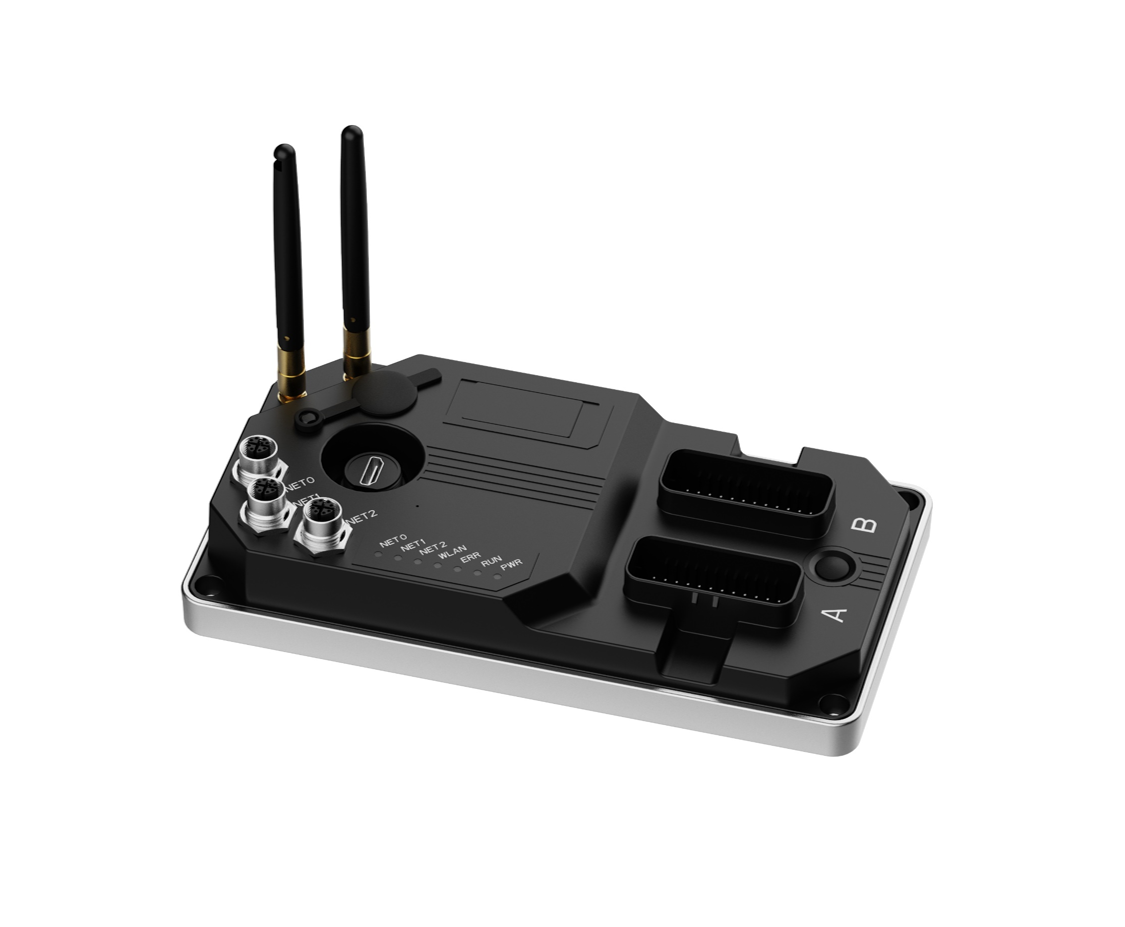
Choosing an industrial computer involves more than processor speed. Equipment manufacturers and system integrators must consider enclosure design, installation space, operating conditions, connectivity, and long-term serviceability. Understanding the difference between an embedded box PC and a rugged embedded PC helps engineering and procurement teams match hardware to deployment needs without overlooking field risks or paying for unnecessary features.
The Terms Describe Different Priorities
An embedded box PC is primarily defined by its compact, self-contained form factor. It can fit inside a machine, control cabinet, kiosk, vehicle, or other equipment where a desktop computer is impractical. Key considerations include dimensions, mounting, interfaces, and integration with the host system.
A rugged embedded PC emphasizes reliable operation under demanding conditions. Depending on the model, ruggedization may include finless thermal design, a reinforced enclosure, wider operating-temperature support, vibration resistance, or protection against dust and moisture. The term “rugged” does not guarantee a specific rating; buyers should verify the specifications of the exact configuration.
The categories are not mutually exclusive. An embedded box PC can also be rugged. The practical task is to balance integration requirements with the environment in which the computer must operate.
Mechanical Layout and Hardware Integration
Physical integration affects more than enclosure size. Engineers should check mounting options, cable access, heat-dissipation clearance, service access, and nearby components. An embedded box pc may suit a machine controller, vision inspection unit, self-service terminal, or edge node when its dimensions and interfaces fit the design.
Review the required Ethernet, USB, serial, display, and expansion interfaces. Some applications also need GPIO or CAN to connect sensors, drives, cameras, and controllers. Confirm operating system, driver, and software compatibility before freezing the design. A compact enclosure is only useful if it supports the installation and remains accessible for maintenance.
Environmental Design and Reliability
Select a rugged PC against documented operating conditions, not a general impression of durability. Evaluate ambient temperature, processor heat, airflow, humidity, dust, vibration, electrical noise, and whether the unit will be outdoors, inside a sealed cabinet, or on a moving vehicle.
Thermal design matters. Finless systems remove moving fan parts and can reduce dust intake, but passive cooling still depends on workload, mounting, enclosure design, and ambient temperature. Continuous edge AI inference can create a different thermal load from basic data collection. Check the specified operating range under expected conditions.
Ingress protection ratings apply to defined configurations and test conditions. They should not be inferred from a metal case or a “rugged” label. Review relevant shock and vibration evidence, as well as power-input and electromagnetic compatibility requirements. These checks help determine whether a rugged embedded pc suits the actual deployment.
Computing Performance and I/O
The task defines the required performance. A controller for basic device communication may prioritize low power, stable I/O, and predictable operation. A vision inspection station or autonomous mobile robot may need more CPU or GPU capacity to process sensor data locally with low latency.
Do not select hardware by processor name alone. Estimate the workload, sensor throughput, operating-system overhead, display needs, and software acceleration requirements. Verify support for the required Linux, Windows, or Android environment, including drivers for critical peripherals. For AI workloads, confirm compatibility between the inference framework, accelerator, and software stack.
The official product portfolio from Vantron includes embedded industrial computer categories such as Multimedia Box PC, Edge AI Box PC, and AGV/AMR Controller. These reflect different deployment needs, but buyers must still check each candidate’s performance, interfaces, thermal limits, software support, and expansion options.
Lifecycle, Service, and Total Cost
The purchase price is only one part of the cost when industrial equipment remains in service for years. Ask about product availability, component changes, roadmap visibility, and maintaining a stable configuration over the expected service period. A consistent hardware design can reduce requalification work across production batches.
Support resources also affect integration time. Clear documentation, drivers, SDKs, board support packages, and engineering assistance can simplify development and troubleshooting. For distributed equipment, remote diagnostics and software updates may reduce site visits, but the required management features should be verified for the proposed system.
Vantron’s embedded industrial computer range addresses applications including industrial automation, intelligent mobility, digital energy, and smart retail. When assessing any supplier, map the proposed configuration to the project’s workload, interfaces, environment, software requirements, and expected service life. This gives procurement a stronger basis for comparing price with integration effort and operational risk.
A Practical Selection Checklist
Before design approval, document mounting space, I/O, computing needs, operating system, power input, temperature range, vibration exposure, and any ingress-protection or EMC requirements. Test the most demanding combination of workload and ambient conditions, not only typical operation. Confirm that the selected configuration meets requirements in writing.
For multi-year deployments, discuss lifecycle commitments, documentation access, driver maintenance, and escalation paths. Testing a prototype in a representative enclosure can reveal thermal or cable-access problems that are not obvious from a desktop evaluation.
Making the Right Choice
Choose an embedded box PC when compact integration, connectivity, and mounting flexibility lead to the decision. Choose a ruggedized design when environmental exposure adds reliability requirements. Many projects need both: a compact computer with documented environmental performance, adequate processing capacity, compatible software, and practical lifecycle support.
Compare candidates against real deployment conditions, not labels alone. Reviewing specifications carefully and using Vantron as one reference point can help teams assess embedded industrial computing options for a new or upgraded system.
