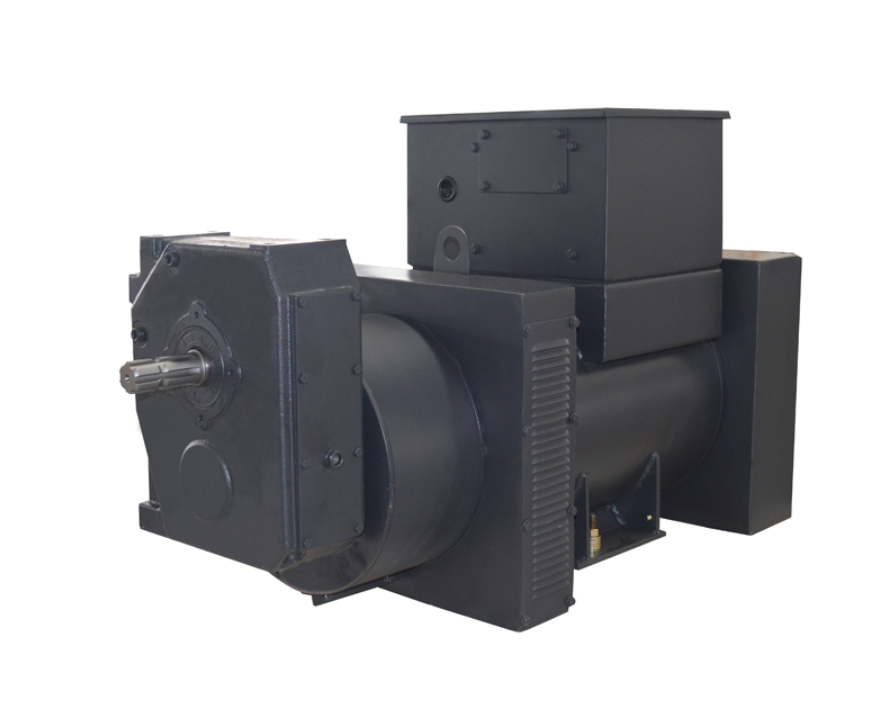
Power generation systems used in mining, oil and gas, railway transportation, and other heavy industries often operate under demanding conditions. Standard electrical output may not be sufficient when equipment requires continuous high current and stable performance. In these situations, a custom high output alternator is designed to provide higher electrical capacity as the alternator within a generator system rather than the complete generator set. This approach allows equipment manufacturers to match electrical performance with specific operating requirements while supporting long service cycles in industrial applications.
Why High Output Designs Differ from Standard Models
The primary difference between a standard alternator and a high-output design is the electrical load it can support over extended operating periods. A custom high output alternator is commonly developed for applications that require greater current output without frequent interruptions. Instead of focusing only on rated power, engineers also evaluate thermal balance, vibration resistance, and long-term operating stability.
Higher electrical output naturally generates additional heat. For this reason, the cooling structure becomes a significant part of the design process. Airflow channels, fan configuration, and internal ventilation paths are optimized to remove heat efficiently while maintaining acceptable operating temperatures. Proper thermal management helps reduce insulation aging and supports stable electrical characteristics during continuous operation.
Mechanical durability is another important factor. Heavy-duty machinery often experiences continuous vibration and sudden load changes. Rotor balancing, reinforced bearing arrangements, and rigid housing structures help the alternator maintain stable operation under these conditions. These structural improvements are particularly valuable for equipment operating in remote industrial locations where maintenance opportunities may be limited.
Typical Applications for Custom High Output Alternator
Many industrial sectors require electrical systems capable of supporting demanding equipment for long operating hours. Mining machinery, for example, frequently powers hydraulic systems, monitoring devices, lighting, and auxiliary electrical equipment simultaneously. A high-output alternator allows these electrical loads to operate without exceeding the alternator’s intended working range.
Oil and gas drilling projects present another challenging environment. Drilling platforms often require dependable electrical power for pumps, control systems, safety equipment, and communication devices. Because these projects may continue around the clock, alternators are expected to maintain stable output despite varying environmental conditions and continuous mechanical loading.
Railway traction systems also benefit from specialized alternator designs. Locomotives operate under changing speeds, varying temperatures, and constant vibration. Engineers therefore pay close attention to structural strength, cooling efficiency, and electrical stability when selecting alternators for railway applications. Matching the alternator with the generator system helps improve overall operational reliability throughout extended service periods.
Rotor Structure and Internal Mechanical Design
Rotor construction directly influences the electrical performance and mechanical stability of an alternator. Different applications require different design priorities, including rotational balance, magnetic efficiency, and resistance to mechanical stress. Careful rotor engineering contributes to smooth operation while reducing vibration generated during continuous rotation.
Rotor materials and manufacturing accuracy also affect operational consistency. Precision machining helps maintain uniform air gaps between rotating and stationary components. This improves magnetic field distribution and supports more stable voltage output under changing electrical loads.
For projects requiring product customization, an OEM alternator manufacturer typically evaluates installation space, shaft dimensions, rotational speed, coupling methods, and cooling requirements before finalizing the rotor configuration. These engineering considerations help integrate the alternator with the customer’s generator system and surrounding equipment.
The Importance of Insulation Systems
Electrical insulation protects winding components from heat, electrical stress, and environmental influences. As output current increases, insulation performance becomes increasingly significant because higher operating temperatures place greater demands on winding protection.
Industrial alternators frequently use insulation systems designed according to internationally recognized insulation classes. Selecting an appropriate insulation level depends on expected operating temperature, ambient environment, and duty cycle. A properly selected insulation system supports longer service intervals while maintaining electrical performance under continuous loading.
Manufacturing quality also plays an important role. Consistent winding processes, insulation treatment, and quality inspections help reduce production variation. These factors contribute to reliable performance when alternators operate in demanding industrial environments for extended periods.
Cooling Methods for Continuous Operation
Cooling technology directly affects how long an alternator can operate under high electrical loads. Internal air circulation remains one of the commonly used solutions for industrial applications because it provides efficient heat removal without excessive structural complexity.
For larger electrical capacities, engineers may adopt enhanced ventilation arrangements or specialized cooling configurations depending on project requirements. The selection depends on operating environment, installation limitations, and expected load characteristics rather than output rating alone.
An experienced OEM alternator supplier also considers maintenance accessibility during product development. Components that simplify inspection, cleaning, and routine servicing may reduce downtime during scheduled maintenance periods, particularly in industries where equipment availability influences production schedules.
Custom Engineering for Industrial Projects
Industrial customers often require alternators that match unique installation conditions rather than standardized dimensions. Shaft extensions, mounting interfaces, voltage ratings, frequency requirements, and enclosure protection levels may all vary between projects. Custom engineering allows manufacturers to address these differences while maintaining compatibility with existing generator systems.
This is one area where EvoTec Power has developed its product portfolio. They manufacture industrial, high-voltage, marine, and customized alternators while focusing on the alternator component used within generator systems instead of complete generator sets. Their product development includes compact structural designs that help reduce installation space, together with self-developed technologies supported by multiple patented designs.
For OEM equipment manufacturers, these engineering capabilities can simplify integration into mining equipment, marine applications, railway projects, and specialized industrial machinery where standard products may not satisfy installation or operating requirements.
Selecting an OEM Alternator for Heavy-Duty Equipment
Choosing an alternator involves more than comparing rated output. Buyers typically evaluate operating duty cycle, environmental conditions, cooling performance, insulation class, vibration resistance, and mechanical compatibility with the generator system. Considering these factors together provides a more complete understanding of long-term operational suitability.
Material quality also influences product durability. Reliable magnetic materials, copper windings, bearings, and insulation components contribute to consistent electrical performance throughout the equipment’s service life. Delivery capability, technical support, and product customization are additional considerations for OEM manufacturers planning long-term production schedules.
Companies such as EvoTec Power also provide customized alternator solutions covering different voltage ranges and industrial applications. Their compact structural approach, broad product range, and two-year warranty support equipment manufacturers seeking alternator solutions for specialized operating conditions.
Meeting Reliable Power Demands in Harsh Operating Conditions
Industrial projects often require electrical systems capable of operating under continuous heavy loads, strong vibration, and demanding environmental conditions. Selecting a properly designed custom high output alternator involves evaluating rotor construction, insulation systems, cooling methods, and application-specific engineering rather than output ratings alone. For OEM manufacturers serving mining, oil and gas, railway, marine, and other industrial sectors, suppliers such as EvoTec Power provide alternator solutions that support generator systems requiring dependable electrical performance in challenging operating environments.
