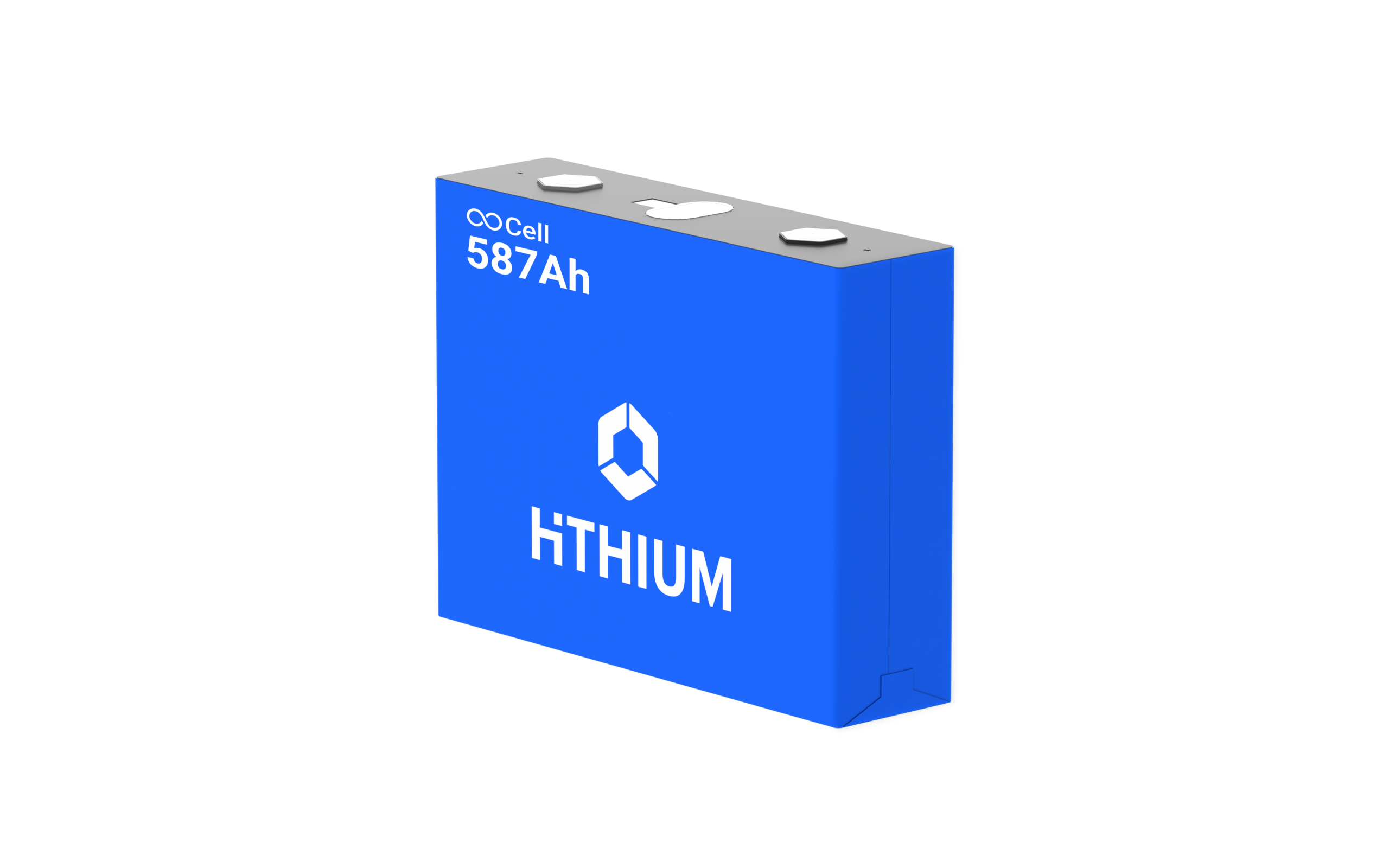
As global energy systems transition toward higher efficiency and lower carbon intensity, lithium battery technology has become a cornerstone of modern infrastructure. From grid-scale storage to commercial mobility and industrial backup systems, businesses increasingly rely on lithium ion battery technology to deliver reliability, scalability, and long-term value. Advancements are not limited to capacity improvements; they are increasingly driven by material science, system integration, and lifecycle optimization. Companies such as HiTHIUM are contributing to this evolution by focusing on deeper electrochemical innovation and manufacturing precision.
Advancements in Electrolyte and Interface Engineering
One of the most significant developments in lithium ion battery technology lies in electrolyte design and interface control. By rationally designing additives and regulating solvation structures, manufacturers are now able to create what can be described as “intelligent” electrolytes. These electrolytes enable more stable ion transport while minimizing unwanted side reactions.
Artificial intervention at the electrode-electrolyte interface has also become increasingly precise. Through optimization of the solid electrolyte interphase (SEI), micro-damage within battery materials can be accurately identified and mitigated. This directly contributes to improved cycle life and more predictable degradation patterns—both critical metrics for applications such as energy storage systems (ESS) and electric fleets.
For integrators and operators, these improvements in lithium battery technology translate into lower maintenance requirements and reduced total cost of ownership. Companies like HiTHIUM are leveraging such innovations to deliver batteries with enhanced durability, supporting long-duration applications where reliability over thousands of cycles is essential.
Material Optimization and Structural Stability
Beyond electrolyte advancements, material engineering is playing a crucial role in enhancing lithium ion battery technology. Precision regulation of precursor materials and particle structures has enabled manufacturers to minimize surface defects, particularly in graphite anodes. Reducing these defects improves structural stability and significantly cuts initial lithium loss during the first charge-discharge cycles.
A more robust SEI film is formed as a result, which reduces ongoing active lithium consumption throughout the battery’s lifecycle. This development strengthens the overall electrochemical stability of the cell and ensures more consistent performance over time. For stakeholders, such as system integrators and utility providers, these improvements are critical for ensuring predictable asset performance and bankability.
Furthermore, advancements in lithium battery technology are enabling better alignment between cell design and system-level requirements. Whether deployed in renewable energy integration or industrial applications, improved material stability enhances safety margins and operational efficiency.
Enabling Scalable and Reliable Energy Infrastructure
The continued evolution of lithium ion battery technology is reshaping how modern energy systems are designed and operated. Through innovations in electrolyte chemistry and material structure, manufacturers are addressing key challenges related to cycle life, efficiency, and degradation.
The implications are substantial: longer-lasting assets, improved performance predictability, and more efficient energy management. As companies like HiTHIUM continue to refine lithium battery technology, the industry is moving toward more resilient and economically viable energy storage solutions that can support the growing complexity of global energy systems.
