Organizations frequently engage international contractors to support specific project goals or address short-term skill gaps. However, as business requirements evolve, these temporary relationships often grow into long-term partnerships that function more like full-time employment. Relying on contractor arrangements for ongoing, business-critical work can introduce significant compliance risks, including potential worker misclassification issues. To address this, many HR departments are transitioning high-performing talent into formal employment, utilizing employer of record services to maintain operational continuity while ensuring full adherence to local labor regulations.
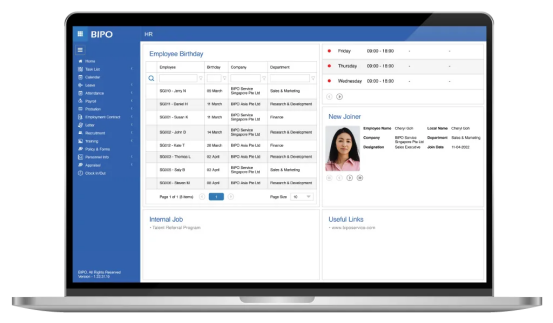
BIPO offers a comprehensive suite of HR solutions, including dedicated employer of record services, designed to assist businesses with global workforce expansion. Their platform simplifies the complexities of international hiring, enabling organizations to manage payroll, benefits, and compliance through a centralized interface. HR professionals interested in streamlining their international talent management are encouraged to reach out to BIPO to discuss how these integrated solutions can support their specific global growth objectives. When companies decide to convert their contractors to employees, they create a more stable and integrated work environment that fosters long-term engagement.
Assessing the Need for Structural Conversion
Determining the appropriate time to transition a worker often depends on how integrated they have become within the organization. If a contractor is regularly attending internal meetings, reporting to a manager, or focusing on core business activities rather than distinct projects, their role may already resemble that of a staff member. Employer of record services provide the necessary legal framework to finalize this change, allowing companies to offer full-time status without the burden of establishing local legal entities in every region.
Mitigating Risks Through Formalized Employment
Worker misclassification remains a serious concern that can result in financial penalties and reputational damage. By utilizing employer of record services, HR teams ensure that every aspect of the transition complies with local tax laws and employment statutes. This process replaces fragmented contractor agreements with standardized employment contracts, effectively shielding the company from the legal liabilities associated with non-compliant engagement models. Providing statutory benefits and local tax withholdings further demonstrates the company’s commitment to its international workforce.
Strengthening Organizational Stability
Formalizing the employment of key international talent offers significant advantages beyond mere compliance. Employees typically feel more valued and invested in the company’s mission, which can lead to higher retention rates and increased productivity. Leveraging employer of record services allows HR departments to offer competitive compensation packages, including mandatory social benefits and healthcare, that are often unavailable to contractors. This strategic shift stabilizes global operations, ensuring that essential talent is fully supported within a professional and compliant employment structure.
In summary, converting global contractors to full-time employees through a specialized partner provides a clear path for sustainable growth. By addressing the shift from temporary help to permanent staff, organizations can protect themselves against compliance risks while fostering a stronger, more committed workforce. This approach ensures that companies stay agile and focused on their core business activities while managing their global talent with greater security.
