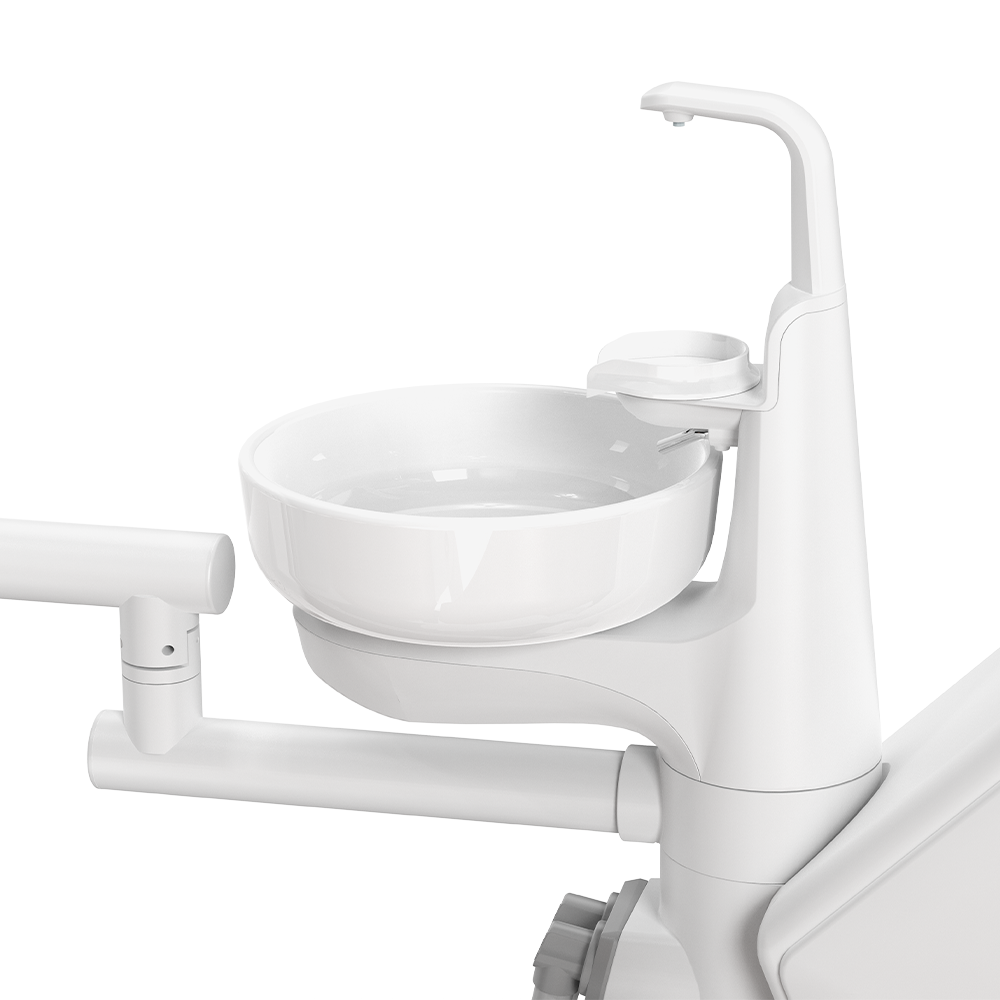
Selecting the right equipment for a dental clinic is a long-term investment decision that affects treatment efficiency, patient experience, and daily workflow. As clinics continue to improve their service standards in 2026, buyers need to evaluate more than appearance and price when choosing professional treatment solutions.
A reliable dental workstation should support clinical procedures, simplify maintenance, and provide consistent performance over many years. Many clinics compare dental units by examining workflow design, component durability, and the ability to adapt to different treatment environments.
For distributors, clinic owners, and healthcare investors, understanding key purchasing factors helps reduce risks and improve return on investment. A carefully planned selection process can create better operational stability and support future business growth.
Dental Units: Key Factors Every Buyer Should Evaluate
When comparing dental units, buyers should first consider how the equipment matches clinical requirements. Different specialties may require different configurations, including restorative dentistry, orthodontics, implant procedures, or general treatments. A suitable system should provide flexible adjustment options to support various working methods.
Ergonomics is another important consideration. A well-designed treatment area allows dentists and assistants to maintain comfortable working positions, reducing unnecessary movement during procedures. Patient positioning, instrument accessibility, and operating space all influence treatment efficiency.
Quality control is also essential when selecting professional dental equipment. Manufacturers with structured production systems can provide better consistency, especially when each component is carefully inspected and managed. Roson applies manufacturing practices focused on reliability and quality management to support professional healthcare environments.
Understanding Features Before Purchasing a Dental Unit For Sale
Before purchasing a dental unit for sale, buyers should analyze the complete configuration rather than focusing only on the initial cost. Important elements include the chair mechanism, delivery system, operating light, assistant unit, control interface, and compatibility with other clinic equipment.
The dental chair should provide stable movement, patient comfort, and convenient access for clinicians. Smooth positioning functions can improve workflow during long procedures, while durable materials help maintain performance in demanding clinical environments.
Air and water management systems also deserve careful evaluation. A treatment center depends on stable utilities, so buyers should consider the reliability of internal components, cleaning procedures, and maintenance requirements. A system designed for easy servicing can reduce downtime and support continuous clinic operation.
Manufacturing Standards and Long-Term Value Considerations
Professional buyers increasingly examine manufacturing transparency before selecting healthcare equipment. Traceable components, standardized assembly processes, and strict quality inspections help ensure that equipment meets expected performance levels.
Roson emphasizes controlled manufacturing processes and systematic quality management to help customers understand product reliability. For international buyers, these practices provide additional confidence when evaluating suppliers and planning long-term cooperation.
A modern clinic should also consider future expansion. Equipment that supports accessories, workflow upgrades, and changing treatment demands can provide greater flexibility. Instead of choosing based only on immediate needs, buyers should consider how the equipment can serve the clinic over its entire lifecycle.
How to Compare Suppliers and Make a Better Decision?
When evaluating a dental unit for sale, supplier capability is as important as product specifications. Buyers should review manufacturing experience, technical support, after-sales service, and spare component availability before making a final decision.
A trustworthy supplier should be able to explain product functions clearly and provide practical information for installation, operation, and maintenance. This is especially important for overseas buyers who need dependable communication and support after delivery.
Cost analysis should include more than the purchase price. Maintenance expenses, expected service life, replacement requirements, and operational efficiency all influence the real value of the investment. A lower initial price may not always represent the best long-term choice. When reviewing a dental unit for sale, buyers should also consider installation requirements, training support, and availability of technical assistance.
Evaluating Clinical Workflow Integration
A successful equipment investment depends on how well the system integrates into daily operations. Clinics should examine whether the equipment layout allows dentists, assistants, and patients to move efficiently through each stage of treatment. A well-planned workspace can reduce unnecessary interruptions and create a more organized clinical environment.
Digital compatibility is becoming increasingly important for modern practices. Buyers should evaluate whether the equipment can work with imaging devices, monitoring systems, and other digital tools used in the clinic. Flexible integration helps practices improve documentation, communication, and overall treatment coordination.
Cleaning and infection control features should also receive attention during evaluation. Healthcare environments require equipment that supports effective hygiene routines and simplifies daily maintenance procedures. Accessible surfaces, organized components, and practical cleaning designs can contribute to safer clinical operations.
Questions Buyers Should Ask Before Investment
Before confirming an equipment purchase, buyers should prepare a detailed checklist. They should ask about product specifications, installation processes, warranty policies, technical training, and replacement component support. Clear answers help avoid unexpected challenges after delivery.
Another important question concerns manufacturing consistency. A supplier should demonstrate how quality is maintained from material selection to final inspection. For international distributors, reliable production management is especially valuable because it supports stable supply chains and customer satisfaction.
Buyers should also evaluate whether the selected equipment fits the clinic’s growth plan. A solution that meets current needs while allowing future improvements can provide better value. Planning ahead helps avoid unnecessary replacement costs when treatment requirements change.
Conclusion
Choosing professional clinic equipment in 2026 requires a balanced evaluation of technology, ergonomics, manufacturing quality, and supplier support. Careful research helps buyers select solutions that improve clinical performance while protecting long-term business value.
Roson continues to focus on practical healthcare manufacturing solutions, helping partners evaluate equipment based on real clinical needs rather than short-term trends. With proper assessment, selecting the right system becomes a strategic decision that supports better patient care and sustainable clinic development.
These considerations allow clinics and distributors to make decisions based on operational requirements, quality expectations, and future development goals. A carefully selected system can support efficient procedures, improve staff experience, and strengthen confidence among patients.
Through comprehensive evaluation, buyers can identify equipment solutions that provide dependable performance and long-term value in competitive healthcare markets. This approach also helps organizations maintain consistent service standards while preparing for evolving clinical demands and technology advancements.
