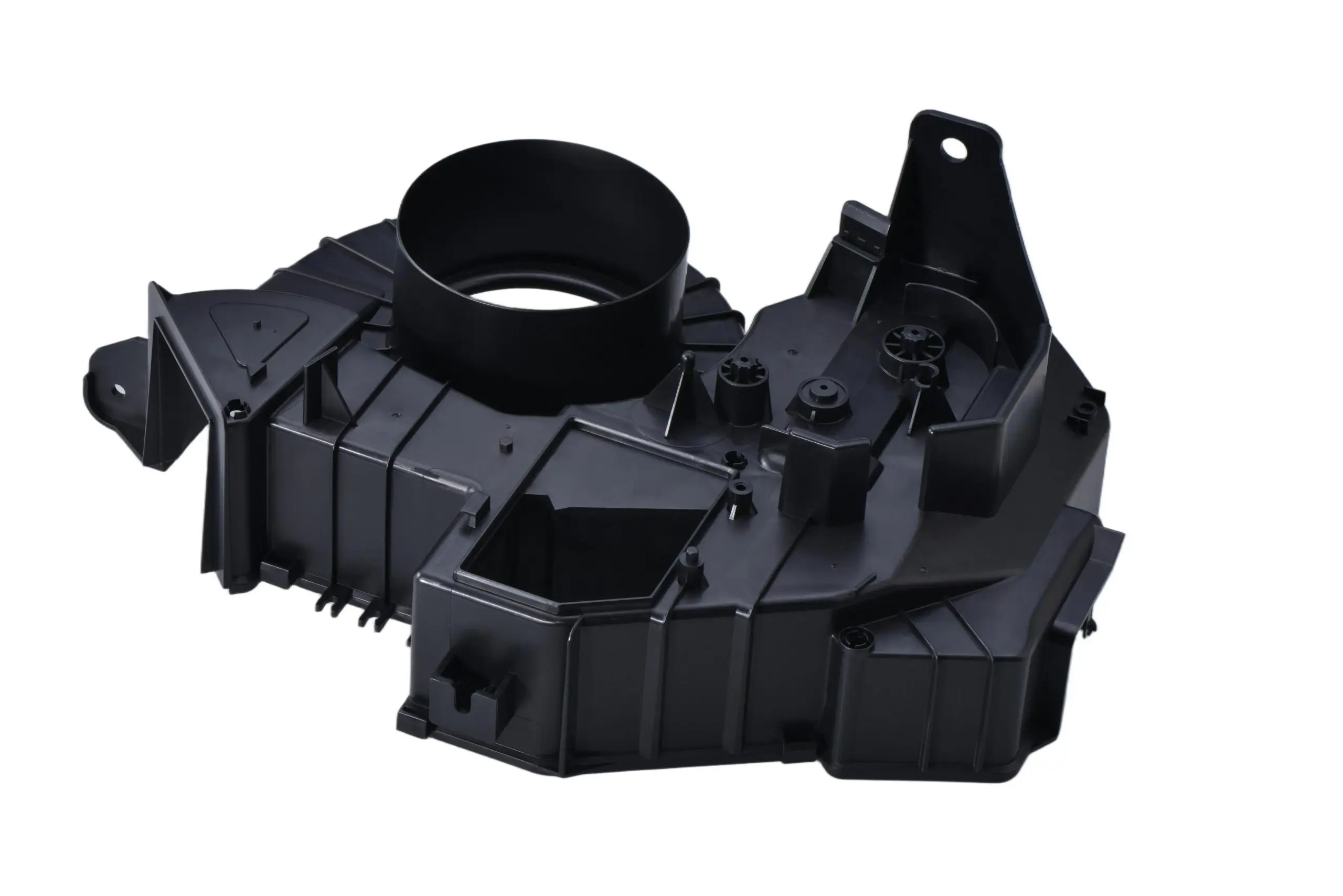
When sourcing molded plastic parts, getting a plastic injection molding online quote can make supplier comparison much faster. However, the lowest number on a quotation does not necessarily represent the lowest manufacturing cost. Tooling, part pricing, lead time, material selection, quality requirements, and future production volume can all affect the real cost of a project.
For engineering and purchasing teams, the better approach is to look at the entire quotation structure rather than comparing unit prices alone. HordRT supports this process with DFM analysis, tooling development, injection molding, inspection, and production support, helping customers evaluate a project from design through delivery.
Start With the Tooling Cost
Tooling is often one of the largest upfront expenses in an injection molding project. A quotation should therefore explain what is included in the mold price, what tooling approach is proposed, and how the mold is intended to support the expected production volume.
A lower tooling price may come with limitations in mold structure, tool life, cavity configuration, or future production flexibility. Conversely, a more expensive mold may be unnecessary for a short validation run.
The right comparison begins with your expected quantity and product lifecycle. Prototype or bridge tooling can make sense during early validation, while production tooling may be more suitable once the design and demand are stable. HordRT offers prototype, bridge, production, and export tooling options, allowing the tooling approach to be considered alongside volume and long-term manufacturing plans.
It is also important to clarify mold ownership. With HordRT’s shared Modular Unit Die system, customer-specific inserts and components belong to the customer after payment, while shared mold-base components remain HordRT property. If a complete standalone mold needs to be transferred, the additional tooling components can be quoted separately.
Look Beyond the Part Price
The second major element is the molded part cost. A meaningful comparison should consider more than the quoted price per piece.
Material is a major factor. Different resins can vary significantly in mechanical performance, temperature resistance, chemical resistance, appearance, and cost. A supplier should therefore quote the specified material or clearly identify an alternative rather than quietly substituting a lower-cost resin.
Part geometry also influences pricing. Wall thickness, draft angles, undercuts, ribs, bosses, inserts, surface finishes, and dimensional tolerances can affect mold complexity and cycle time. A quotation that includes engineering feedback can reveal cost drivers before tooling begins.
HordRT integrates DFM analysis with its quotation process. Its engineers review CAD files and project requirements to identify manufacturing risks and recommend practical solutions before production. The company supports production-grade thermoplastics as well as insert molding and overmolding for more complex components.
This engineering review can be particularly valuable when comparing two quotations that appear similar. One supplier may simply provide a price, while another may identify a design change that reduces tooling complexity or improves molding stability.
Compare Lead Time as a Complete Schedule
Lead time should not be reduced to the number of days required to manufacture the mold. A realistic schedule can include DFM review, mold design, tooling, first trial, sample approval, production, inspection, and shipping.
For example, a supplier quoting a shorter molding cycle may still require more time before production begins if engineering review or tooling approval takes longer. Ask when the quoted lead time starts and which customer approvals are required.
HordRT states that typical rapid tooling for injection molding takes approximately 10 to 15 days after design approval, with actual timing depending on factors such as mold complexity, materials, special components, and cosmetic requirements.
This makes schedule transparency an important part of comparing a plastic injection molding online quote. A clear quotation should distinguish tooling time from sampling, production, and delivery time.
Check Quality and Inspection Requirements
A quotation is only useful if the resulting parts meet the required specifications. Before comparing prices, confirm whether the quotation includes dimensional inspection, material verification, first article inspection, cosmetic inspection, or other project-specific requirements.
Tolerance requirements should also be reviewed carefully. Tight tolerances can influence tooling design, machine selection, inspection methods, and production cost.
HordRT’s injection molding process includes DFM and drawing review, material checks, first-article inspection, process control, and final inspection. Depending on the project, inspection can include CMM measurement and blue-light scanning.
For applications requiring controlled manufacturing conditions, HordRT also operates a 720 m² ISO Class 8 cleanroom and maintains an ISO 13485 quality system for applicable production.
Evaluate the Total Manufacturing Cost
The best quotation is not necessarily the one with the lowest tooling cost or unit price. Instead, consider the estimated total cost over the project’s expected production volume.
A simple comparison can combine tooling investment, part price, expected scrap or rework exposure, inspection requirements, shipping, and the potential cost of design changes. For larger production programs, a slightly higher initial tooling investment may produce better unit economics over time. For prototypes or uncertain demand, flexible tooling may reduce upfront exposure.
HordRT supports projects from prototype and low-volume production through repeat manufacturing without a fixed MOQ. Its integrated approach connects DFM, tooling, molding, inspection, and delivery, reducing the need to coordinate every manufacturing stage separately.
Make Online Quotes Easier to Compare
A plastic injection molding online quote should be treated as an engineering and sourcing document, not simply a price tag. Compare the tooling structure, material specification, unit cost, lead-time definition, inspection scope, and production assumptions before selecting a supplier.
HordRT combines rapid tooling, custom injection molding, DFM analysis, quality inspection, and production support in one manufacturing workflow. With no fixed MOQ and capabilities ranging from prototype validation to repeat production, its quotation process can be structured around the actual requirements of each project.
By comparing what each quotation actually includes, purchasing teams can identify hidden cost differences, reduce avoidable tooling risks, and choose a manufacturing plan that fits both current requirements and future production needs.
